The face of infrastructure management is changing so fast with Terraform and Infrastructure as Code (IaC). Indeed, knowing and differentiating the features of both puts businesses at a win. Today, I am going to help you demystify these technologies so you can make strategic decisions that resonate with your business objectives.
Terraform: The Foundation Of Infrastructure As Code
Terraform is an open-source tool by HashiCorp, which has emerged as a cornerstone in today’s infrastructure as code. It enables users to define and create cloud infrastructures with configuration files that are in a declarative nature. That’s the power that will enable businesses to deploy and manage infrastructures in a more efficient, effective, and scalable way.
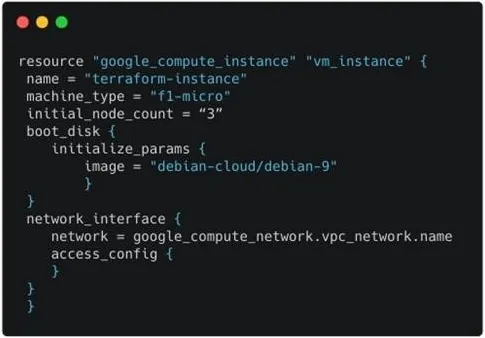
Terraform’s core idea is simple but powerful: write, plan, and apply. Terraform allows for the deployment and management of infrastructure by writing configuration files that declare the desired state of your infrastructure in an automated manner. Terraform retains the declared state of your infrastructure and is able to perform updates against the current state of any configuration. The best part is that it allows for updates and versioning without difficulties.
Terraform has a large and growing ecosystem of providers supporting most of the cloud providers: AWS, Azure, Google Cloud, and many others. In other words, an organization can effectively take on a multicloud strategy without the fear of vendor lock-in. The modular architecture of Terraform allows the reusability and sharing of configurations in a way that further enhances efficiency and collaboration.
Key Features of Terraform:
- Declarative Configuration Language: Write, plan, and apply configurations to define the desired state of infrastructure.
- State Management: Keeps track of the current state of infrastructure and applies updates accurately.
- Provider Ecosystem: Supports AWS, Azure, Google Cloud, and many other providers, facilitating a multicloud strategy.
- Modular Architecture: Allows reusability and sharing of configurations, enhancing efficiency and collaboration.
Infrastructure As Code: Infrastructure Management
Infrastructure as Code (IaC) thus extends this practice of software development into the management of infrastructure. Using IaC, several benefits can be availed that traditional infrastructure management could never amount to. It ensures consistency, reduces human error, and allows for version control and collaboration.
Terraform, as one of the leading IaC tools, instills these principles and goes further with its large array of features that cater to modern infrastructure management—both detailed and diverse. Its native declarative language, HCL (HashiCorp Configuration Language), makes defining and managing infrastructure accessible to both developers and operations teams.
It is in these areas that IaC truly helps to automate and standardize infrastructure deployments. Such automation reduces manual efforts in managing infrastructure and, in the process, releases the team’s time for innovation and strategic initiatives. IaC will also help increase scalability by quickly provisioning or decommissioning resources in response to demand variation.
Benefits of IaC:
- Automation: Reduces manual effort, allowing teams to focus on innovation and strategic initiatives.
- Scalability: Quickly provision or decommission resources in response to demand fluctuations.
- Consistency: Ensures consistent infrastructure deployments, reducing configuration drift.
Comparative Analysis: Terraform vs Traditional Infrastructure Management
Now that we have an understanding of what Terraform and Infrastructure as Code mean, it’s about time we compare them to the old way of managing infrastructures. In this comparative analysis, we are going to show the key differences, benefits, and potential drawbacks each approach might have, which is going to give you the insight you need to take a decision from an informed point of view for your business.
To provide a clearer picture, let’s compare Terraform with traditional infrastructure management across key dimensions:
Speed and Efficiency
Terraform:
- Automation: Automates provisioning, leading to quicker deployments.
- Declarative Syntax: Simplifies management and updates.
Traditional Management:
- Manual Processes: Time-consuming and prone to errors.
- Resource Intensive: Slower deployment times due to manual setup.
Scalability
Terraform:
- Dynamic Scaling: Easily adjusts to scale infrastructure based on demand.
- Provider Agnostic: Supports multiple cloud providers, avoiding vendor lock-in.
Traditional Management:
- Limited Scalability: Requires manual intervention and additional hardware.
- Vendor Lock-In: Often tied to specific vendors.
Consistency and Reliability
Terraform:
- Version Control: Tracks changes and enhances collaboration.
- State Management: Maintains an accurate representation of infrastructure.
Traditional Management:
- Prone to Errors: Increased risk of configuration drift and inconsistencies.
- Lack of Standardization: Challenging to maintain reliability across environments.
Cost and Resource Utilization
Terraform:
- Cost-Effective: Reduces manual labor and optimizes resource utilization.
- Efficient Resource Management: Ensures you only pay for what you use.
Traditional Management:
- Higher Costs: More expensive due to hardware and labor costs.
- Resource Waste: Less efficient, leading to wasted capacity.
Flexibility and Adaptability
Terraform:
- Adaptable: Modular architecture allows easy adaptation to changes.
- Cross-Platform: Supports hybrid cloud strategies.
Traditional Management:
- Rigid: Less adaptable to new technologies.
- Single-Platform Dependency: Limits flexibility.

Final Thoughts
Terraform and Infrastructure as Code (IaC) are significant steps in management for speed, efficiency, scalability, and flexibility in the realm of infrastructure. As far as legacy systems and specific compliance requirements go, the advantages of Terraform are enormous, making it an attractive option for modern businesses over traditional management methods.
By using Terraform, companies can maintain consistency, reduce operational costs, and have the best responsiveness to changing demands.
For a deeper dive into how Terraform can transform your infrastructure management practices, get in touch with us.